
Low Carbon heating cuts emissions, reduces long-term energy costs, improves home comfort and health, and helps future-proof homes as the UK phases out fossil fuel boilers.

It dramatically reduces carbon emissions
Heating homes is one of the UK’s biggest sources of emissions — 15% of national emissions come from domestic buildings, mostly from heating.
Low‑carbon systems like heat pumps, biomass boilers, and heat networks produce far fewer emissions, helping the UK meet its legally binding net‑zero targets.
Lower running costs over time
Low‑carbon heating systems are more energy‑efficient, meaning they use less energy to produce the same amount of heat.
- Heat pumps, for example, can produce > four units for every electrical unit consumed.
- Many households with heat pumps report higher satisfaction with running costs compared with gas boiler owners.
Government incentives and grants also reduce upfront costs, making adoption more affordable.
Better comfort and healthier homes
Low‑carbon heating often delivers more stable, consistent warmth, improving comfort.
Heat networks and energy‑efficiency upgrades can also reduce cold, damp, and mould — leading to better health outcomes, especially for vulnerable households.
Reduces reliance on fossil fuels
Traditional heating depends on gas and oil, which are:
- volatile in price
- increasingly restricted by policy
- environmentally damaging
Low‑carbon systems rely on renewable or low‑emission energy sources, making homes more resilient to global energy shocks.
Potential financial benefits
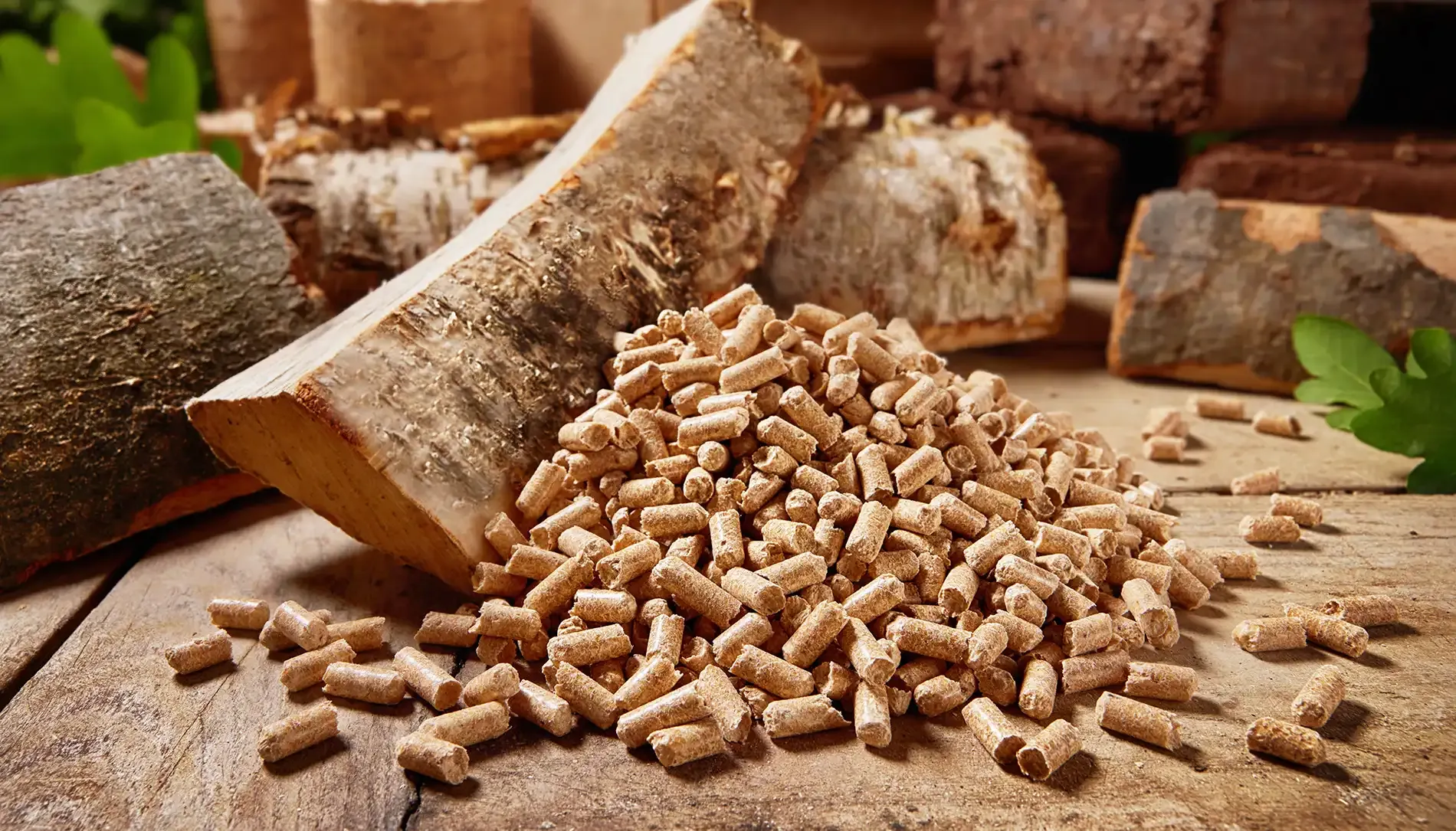
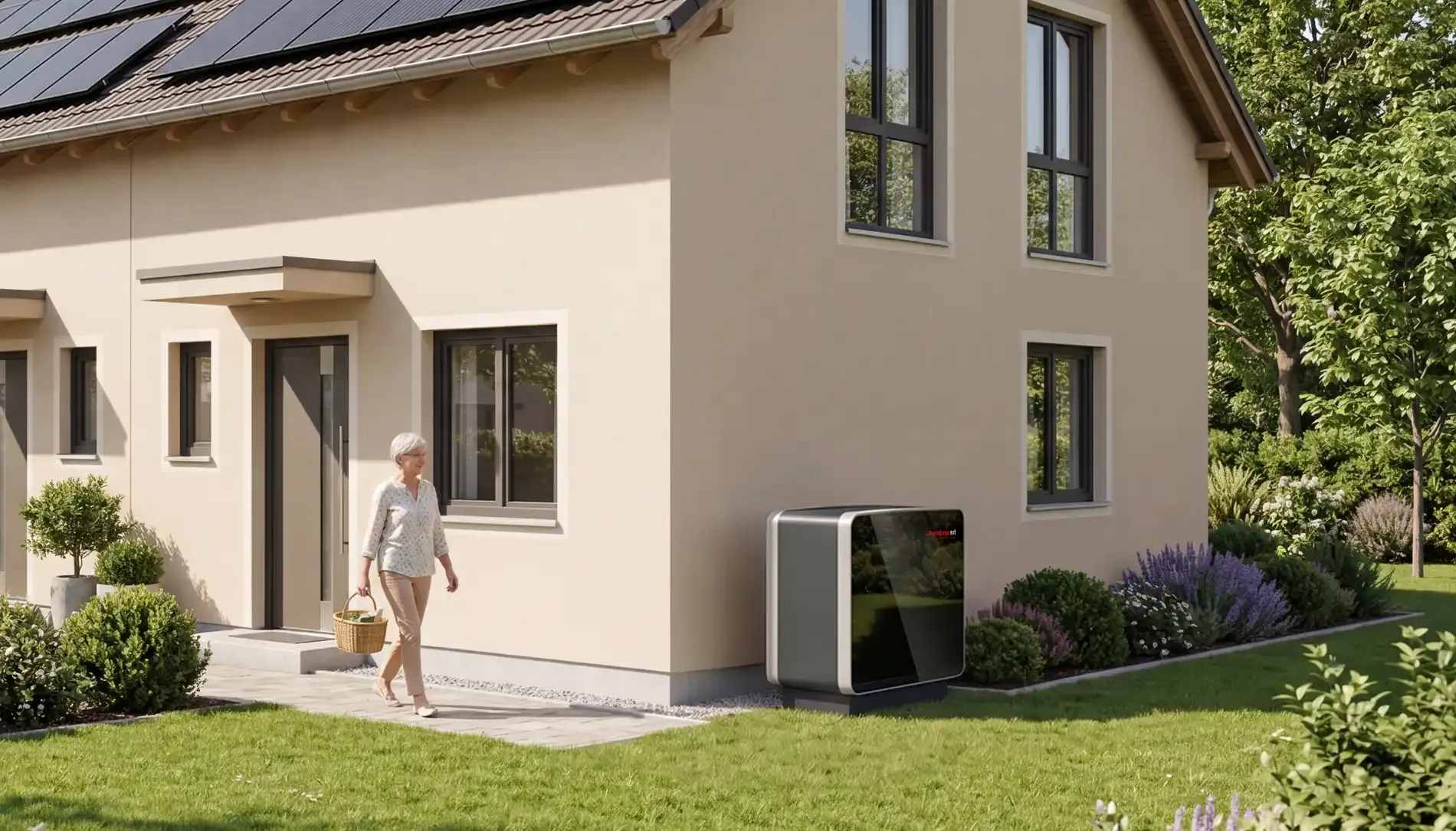
A Windhager biomass boiler or heat pump could increase a property’s value in many ways, mainly by improving energy efficiency, running costs, environmental performance, and market appeal.
- Low running costs – long term savings
- Improved Energy Efficiency Rating
- Potential Income / incentives
- Modern, premium heating system
- Future proofing against regulations